What is the brain doing before we move?
We follow the final seconds before an action to see how attention, brain rhythms, and the body prepare together.
SPIN Lab records athletes’ EEG and heart rate variability in the seconds before action, and uses selected EEG markers as neurofeedback training targets.
Under pressure, preparation often changes before technique does. We measure that preparation, train it, and test whether the effect carries back to sport.
Students: explore research participation →We follow the final seconds before an action to see how attention, brain rhythms, and the body prepare together.
Pressure can shift attention, breathing, heart rhythm, and movement preparation before technique appears to change.
We ask who responds to neurofeedback, how much practice helps, and whether learning carries into sport.
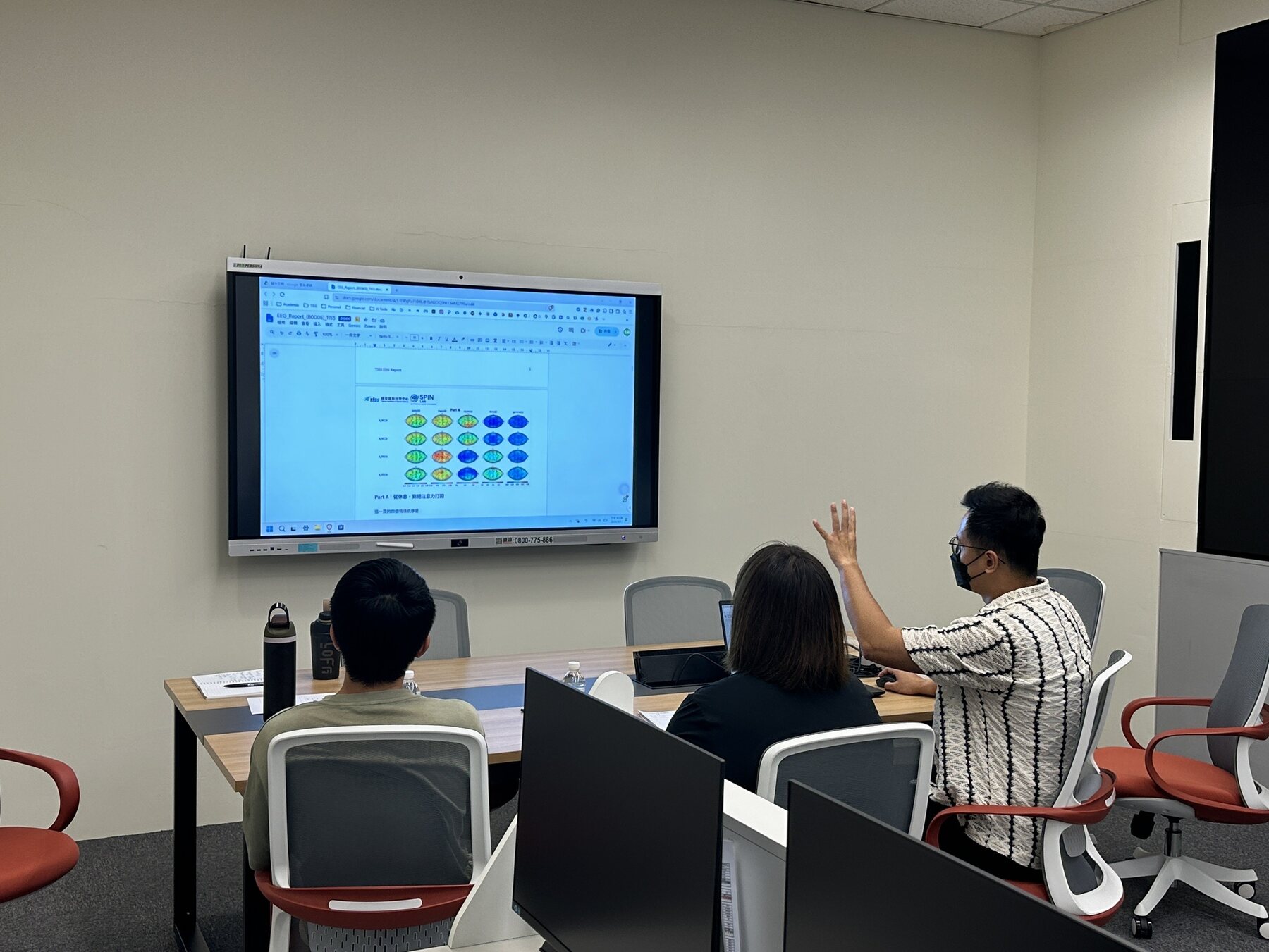
EEG records rapid electrical changes for analysis before action.
EEG is compared with the athlete’s account and the coach’s observations.
Task-relevant EEG markers can provide feedback during regulation practice.
Examine the timing and allocation of neural resources before action.
Variation between heartbeats shows how the body moves between tension and recovery.
Interpret signals alongside the sporting action.
Remove feedback and test learning in the sport.
How do attention and neural preparation change from full draw to release?
How does attentional focus before a putt relate to movement stability?
How do EEG and heart rate variability change under reward and punishment pressure?
How do players prepare for the next point after an error or a close exchange?
How do attention and anticipation work together in fast exchanges?
How does nervousness before a routine relate to movement preparation?
How can athletes recognise and return to their familiar preparation state before competition?
How do rhythms across brain regions synchronise before a set-piece kick?
Athlete feedback
AUTODrag, swipe, or use arrow keys
Before I aim, the noise in my head is quieter. I find my own rhythm first, then let the movement happen.
After a miss, I can leave the last shot where it was and return to the shot in front of me.
Back in competition, I could still recognise the state I had practised in training. That familiar feedback told me I was ready.
When the score is close, I notice sooner that I am getting stuck, and I find it easier to return to what the next point needs.
Before the trigger there is less mental clutter. I am not thinking harder; my state is simply clearer.
Pre-competition preparation no longer relies on feeling alone. I now have a trackable routine that brings me into a familiar, comfortable competition state; once on the floor, it is easier to lock into the moment and perform at the level I reach in training.
The nerves before I compete are still there, but they no longer take over the movement. I can carry them through the routine instead of being dragged along by them.
After I lose a point, I find it easier to leave that point behind and return to the next shuttle.
Anonymised summaries, shared with the athletes’ consent. Individual experiences vary.
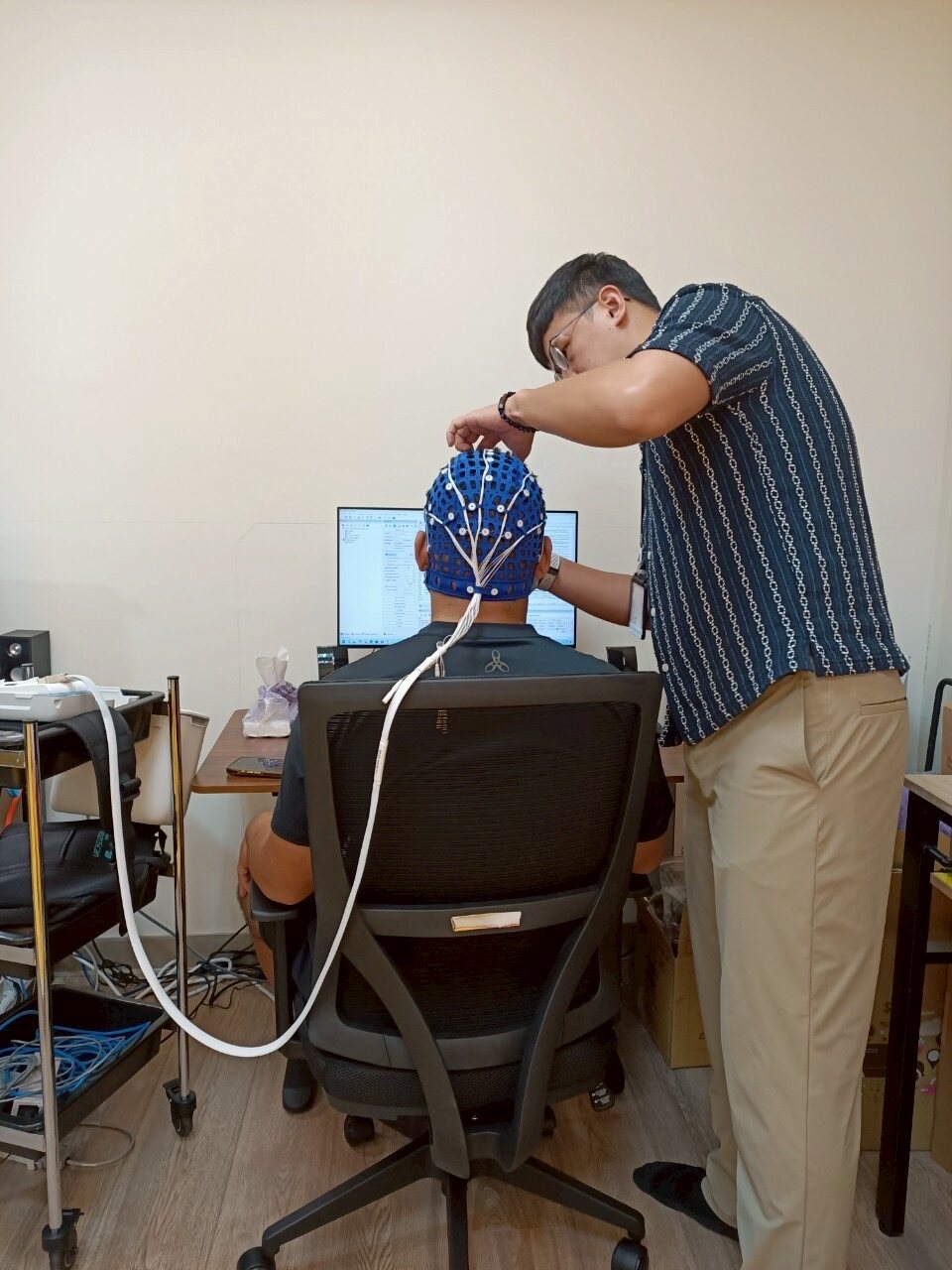
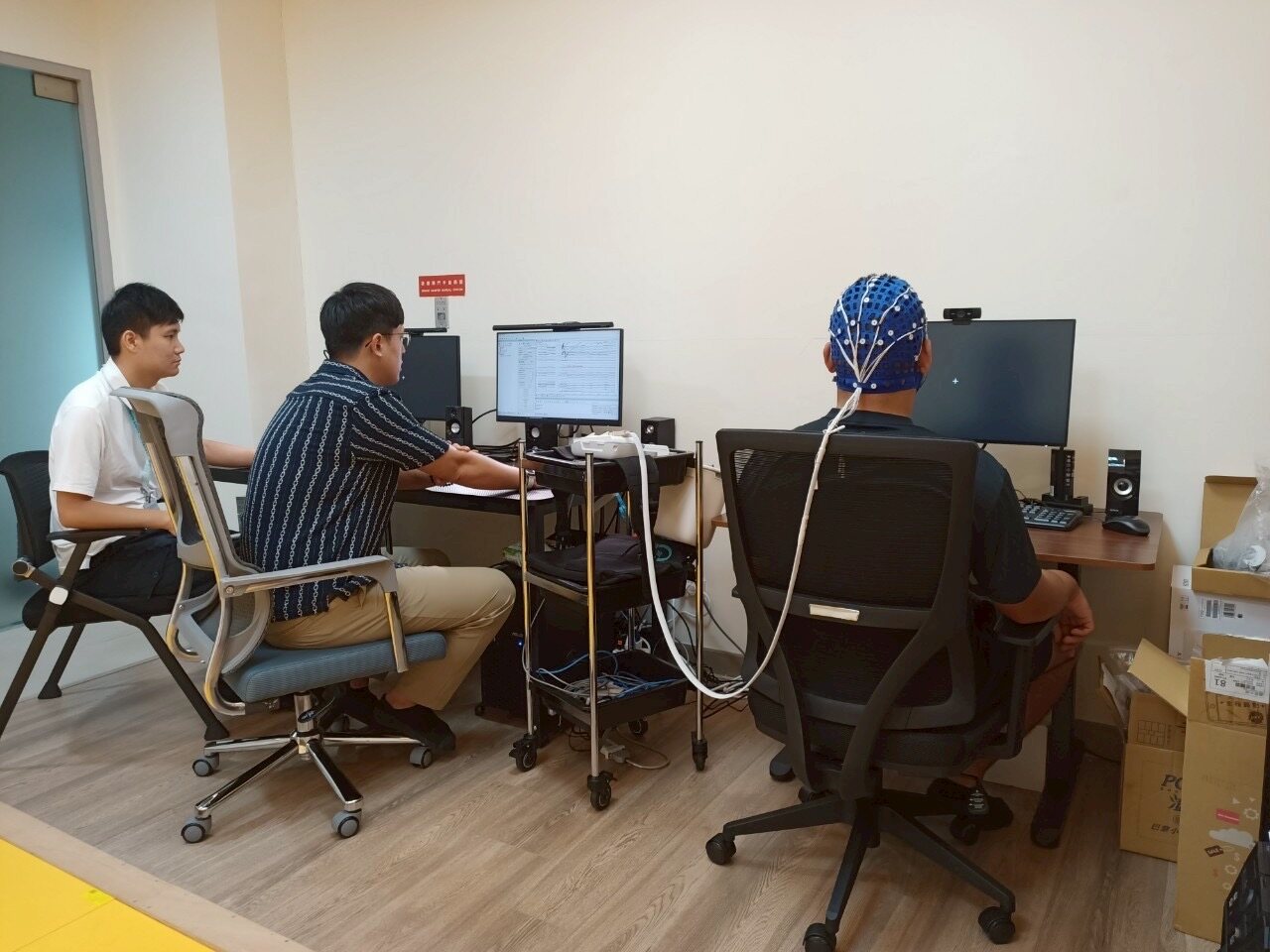
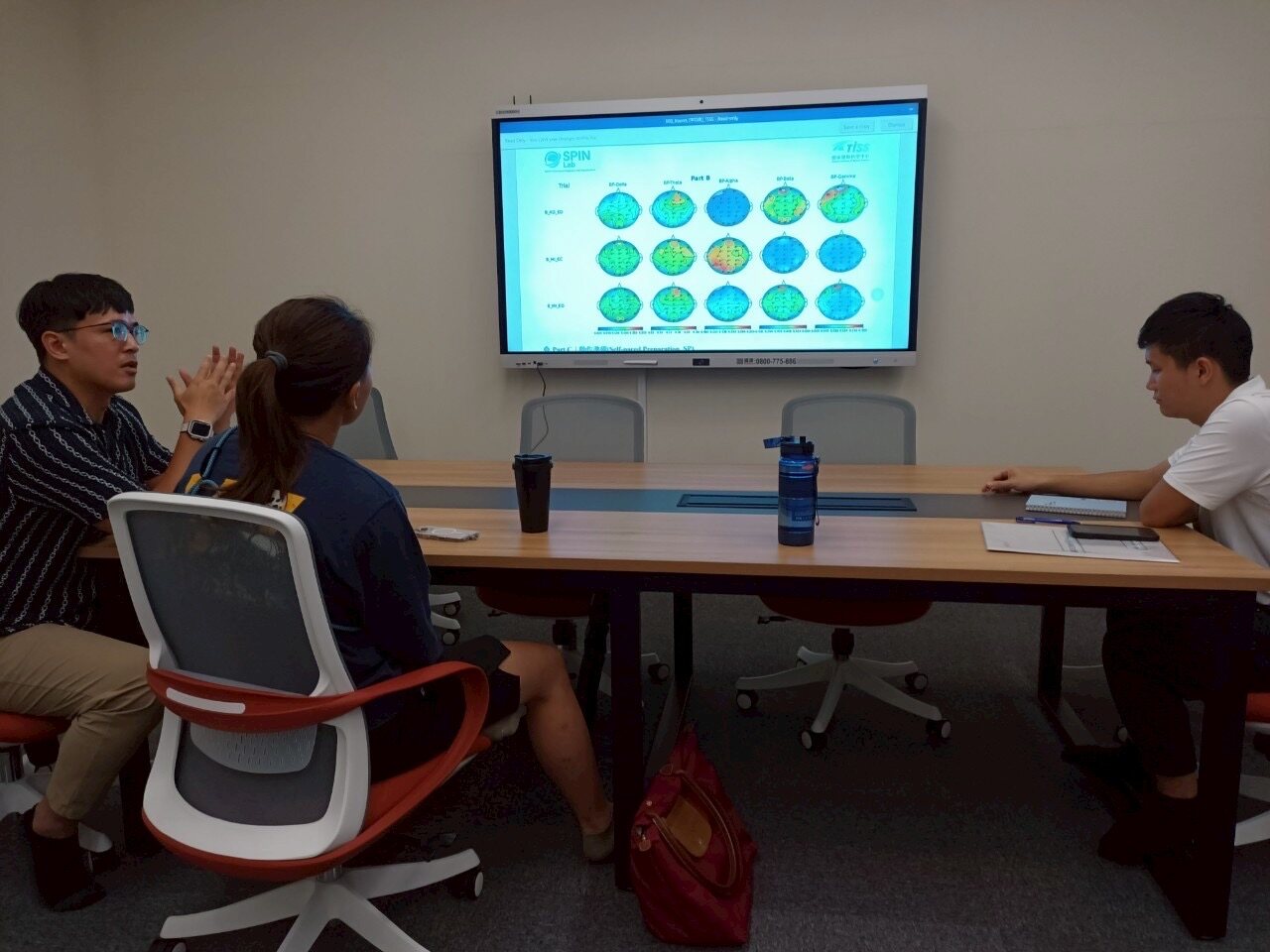
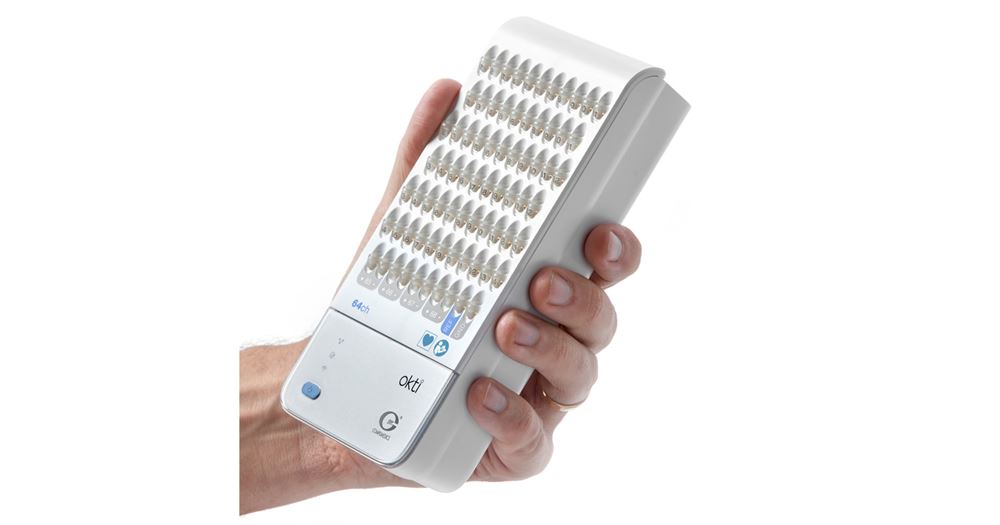
Recording with the Okti portable high-density EEG system.
A two-year programme develops neural-efficiency and movement-readiness indices, then tests neurofeedback transfer in shooting and archery.
View research programme →The programme tests training dose, individual response profiles, function-specific instruction, and whether learning remains useful under pressure.
View research programme →STUDENTS & RESEARCH PARTICIPATION
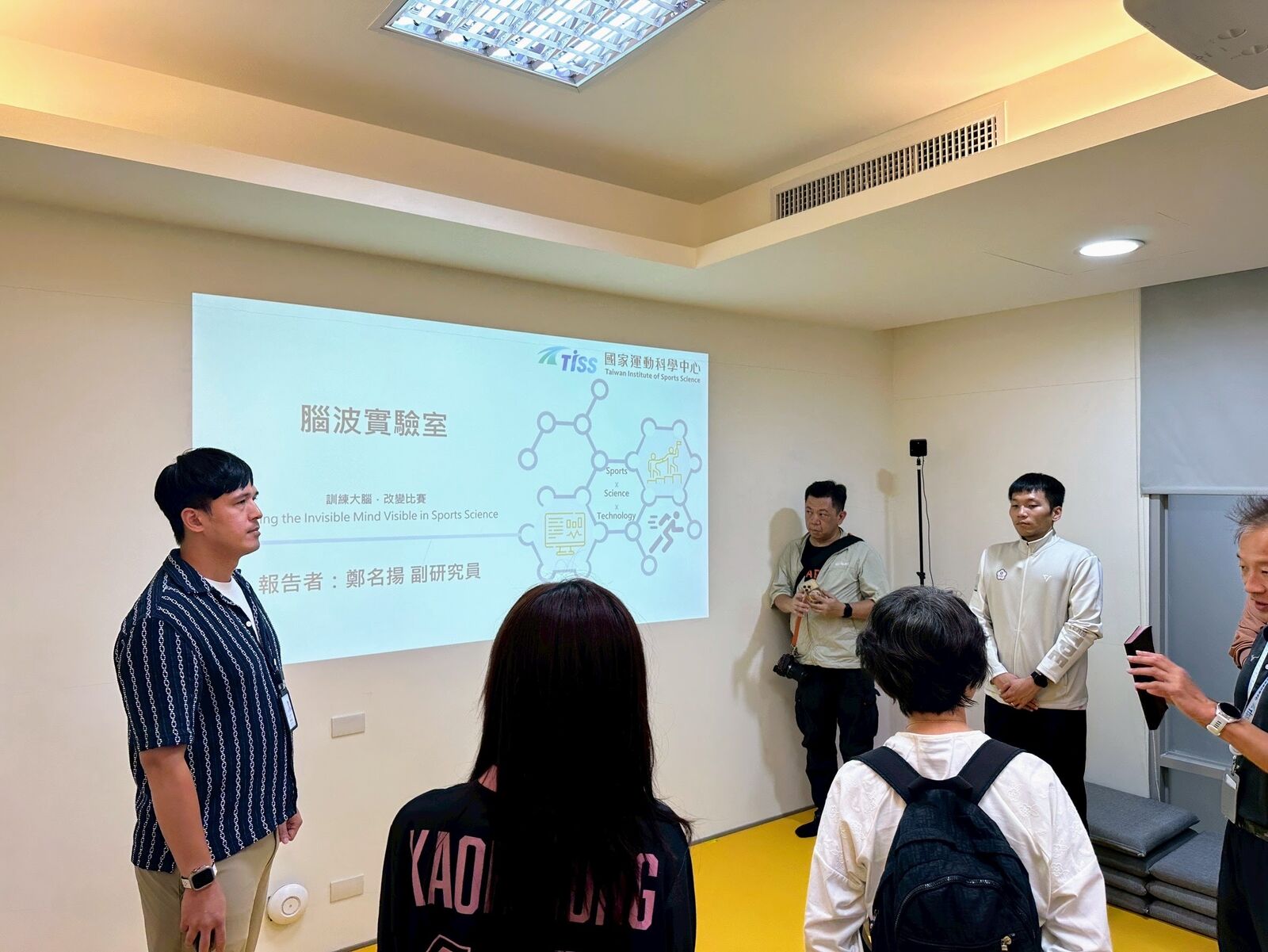
SPIN Lab stands for Sport Performance Integration with Neuroscience. It brings sport neuroscience, EEG and neurofeedback together to study movement preparation, state regulation and sport performance.
Interested in preparation before action, EEG or neurofeedback? Explore the methods and programmes, then tell us about your background and research question.
Recording quality and interpretation of EEG before action.
Task-relevant markers, individualised feedback and testing after feedback is removed.
Interpret heart rate variability (HRV), behaviour and task performance together.
The work connects a clear research question with reliable measurement, feedback practice and sport-specific testing. Based at the Taiwan Institute of Sports Science, the lab uses the Okti portable high-density EEG system.
Articles, podcasts and talks that explain attention and pressure research in plain language.
Brainfield →Graduate students with a research question about movement preparation, EEG or neurofeedback.
Useful information to includeAthletes, coaches and parents seeking to clarify a training or competition question.
Useful information to includeResearchers interested in a shared question, method or publication.
Useful information to includeThese routes are for research participation and collaboration enquiries, not admission or vacancy announcements.