FIELD APPLICATION · RESPONSIBLE TRANSFER

The laboratory is not the destination.

Research becomes useful when a signal can support the next decision—without losing the limits, context, or uncertainty that made the evidence trustworthy.

Understand → validate → individualise → apply → verify transfer.
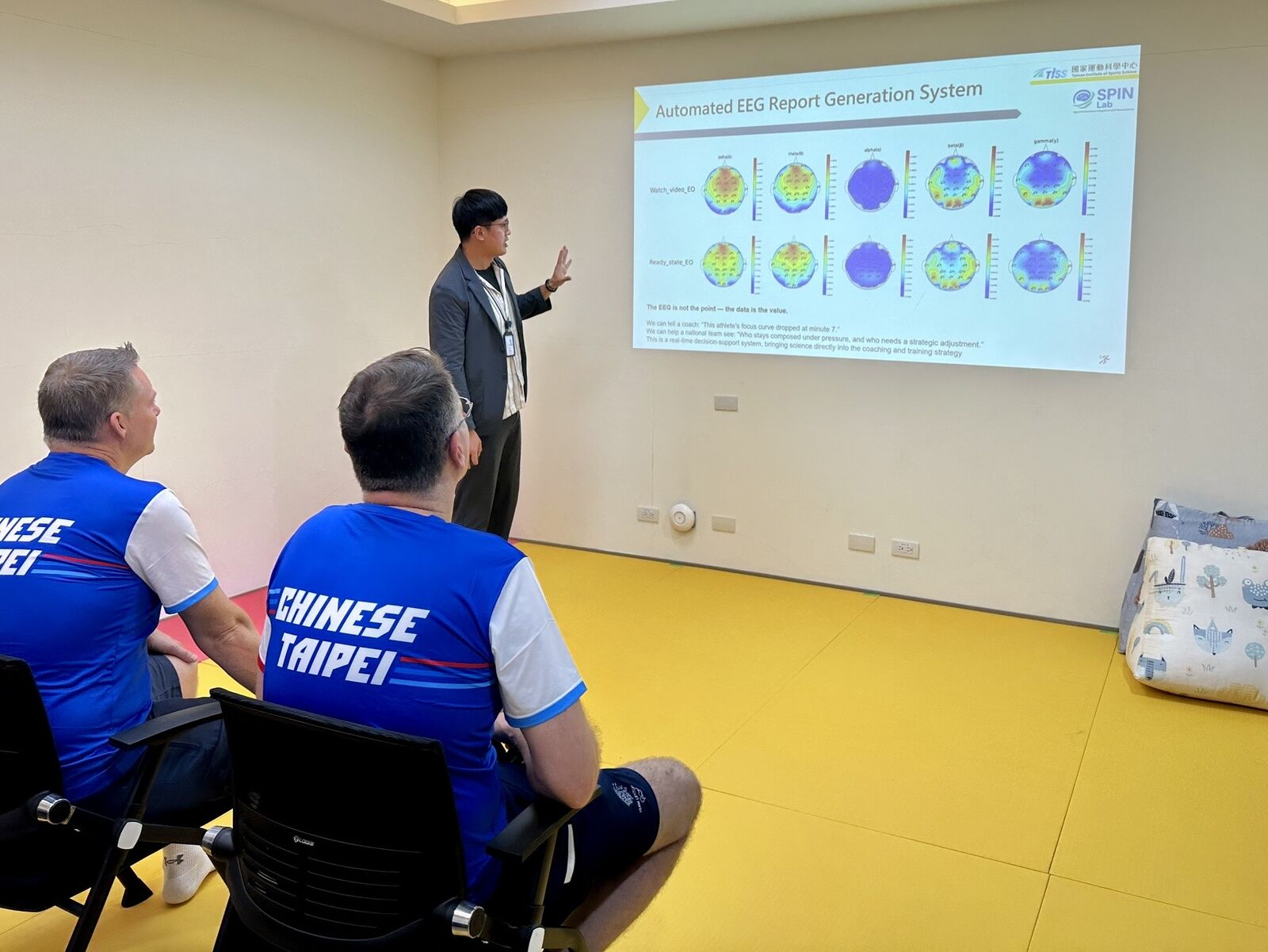
Researchers interpreting an athlete's neural signals
A signal begins the decision; it does not finish it.
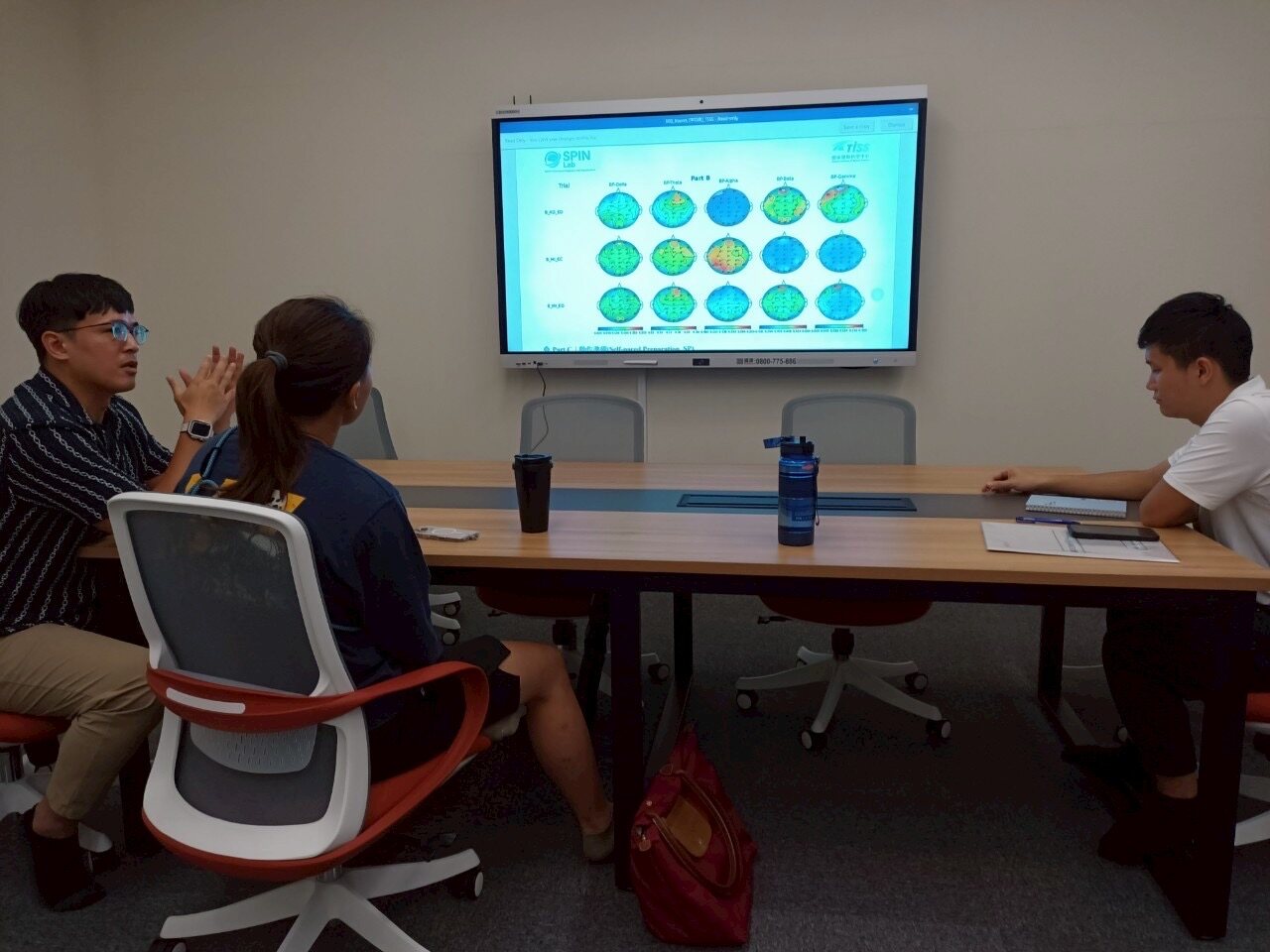
Researchers and coaches discussing measurement results
Evidence returns to the coach, athlete, and task.

TRANSFER PATH

The work begins after the signal is measured.

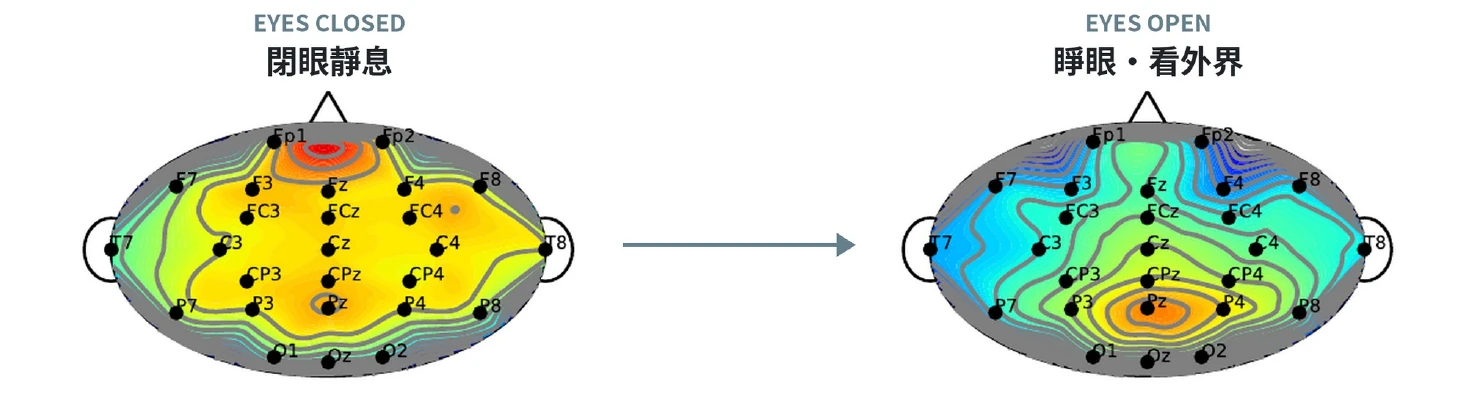
From laboratory to field and back to verificationA recording cap, sporting field and return path distinguish method application from outcome verification.01 · LABORATORY02 · FIELD03 · VERIFY
FIG. 05 · LAB—FIELD—VERIFY

After a method enters the field, return to the sporting outcome for verification.

Conceptual workflow, not causal evidence. Field use does not establish efficacy.
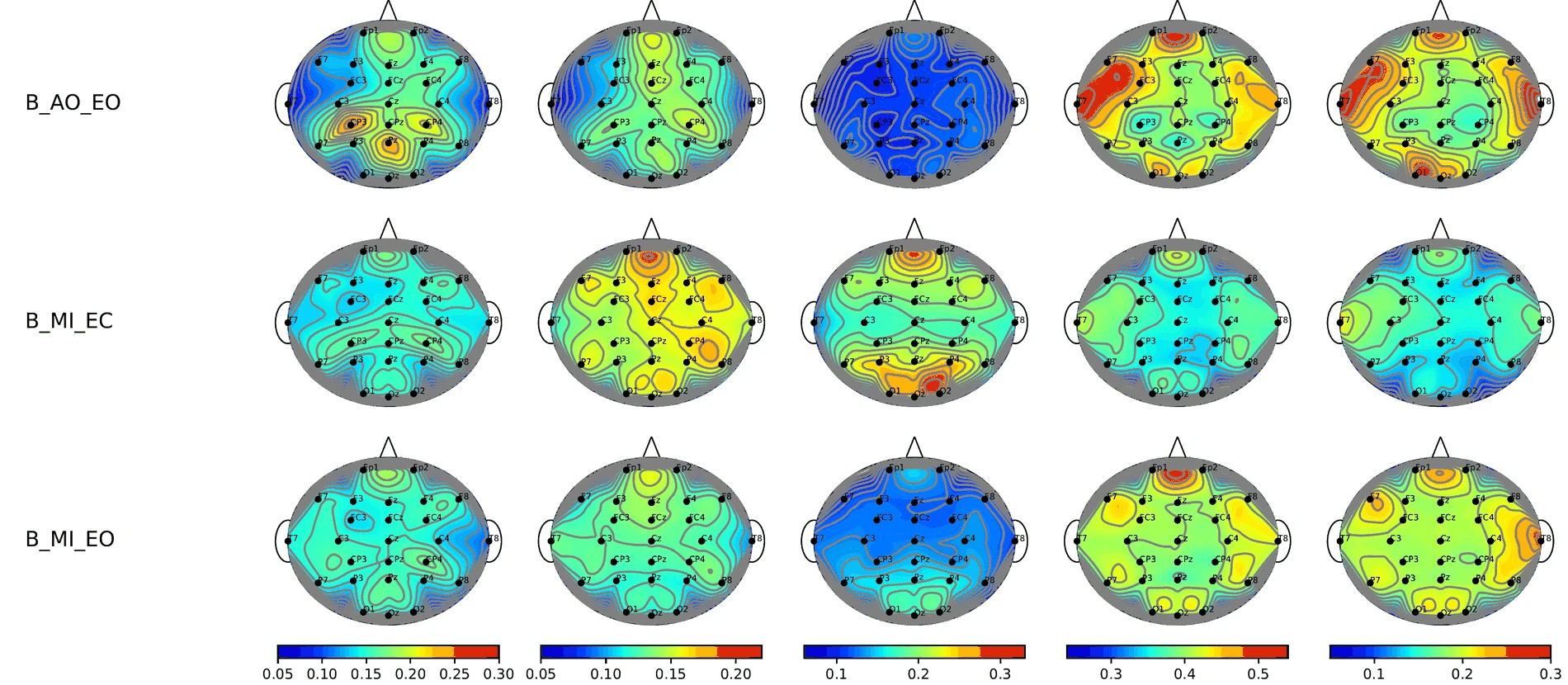
FIG. 05 · FROM EVIDENCE TO DECISIONA research finding moves through validation and field use, then returns to verification.Schematic; the return line marks verification, not a causal effect.

Application does not end at delivery; it returns to verification to test what remains useful.

01FROM EVIDENCE TO ACTION

One chain of reasoning, across different performance settings.

The technology changes. The responsibility does not: define the question, identify a useful signal, train a response, and test it where performance matters.

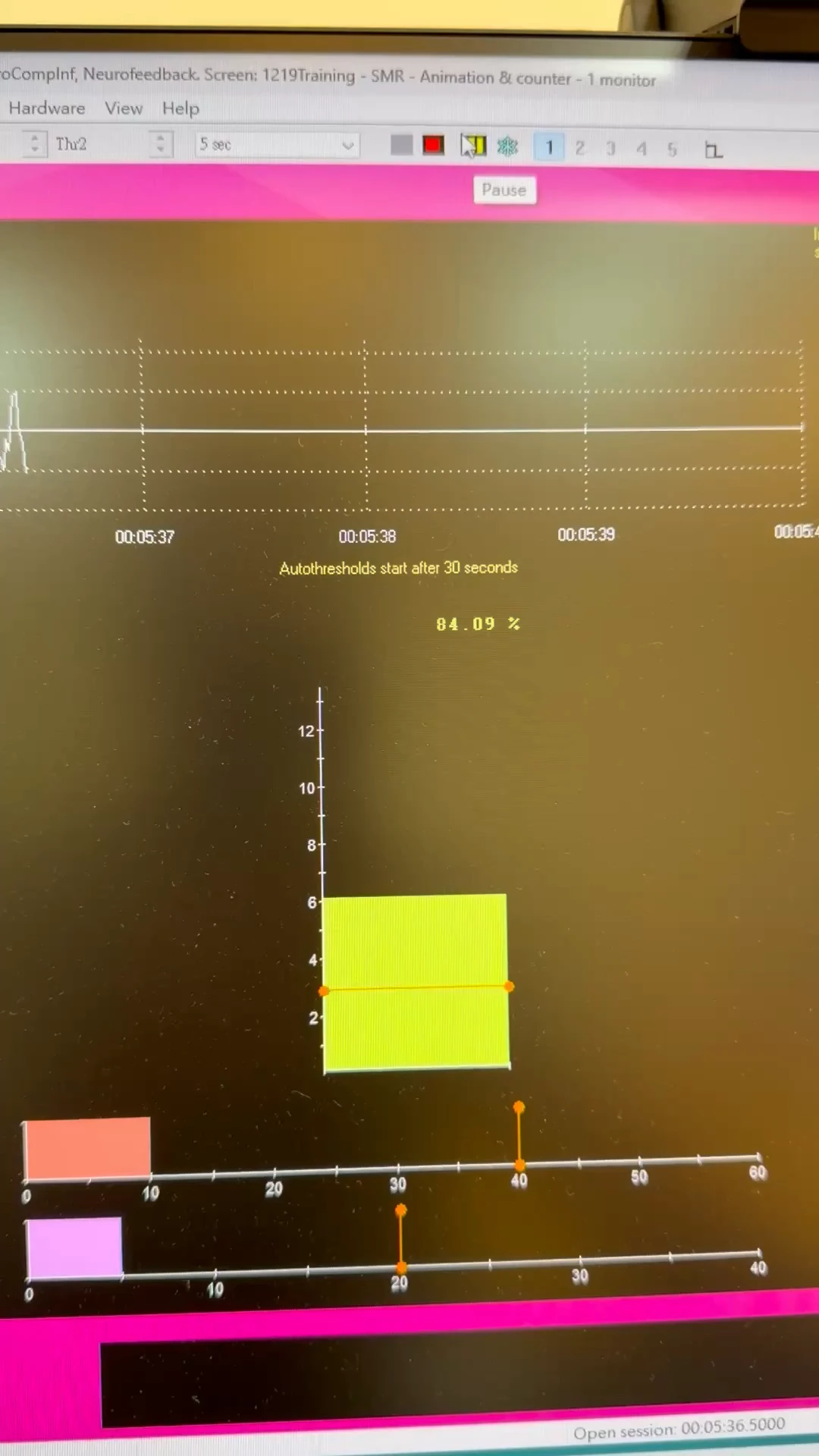
Work at the Taiwan Institute of Sports Science supports national-team athletes through collaboration with the Taiwan Sports Training Center. EEG and HRV are interpreted in relation to the athlete, task, training phase, and coaching question—not as isolated scores.

See athlete application

Academic and technology collaborations begin by clarifying the performance problem, the decision the evidence should support, and the limits of the proposed measurement.

Inspect funded projects

Workshops, talks, public writing, and method development make complex signals understandable without turning a hypothesis, testimony, or field case into stronger evidence than it is.

Explore Brainfield

02DOCUMENTED TRANSLATION

Roles and applications, with the evidence kept in view.

Inter-centre collaboration connects sport-science research with athlete service, coach communication, and the practical constraints of elite training.

During neuro11’s German EXIST-funded founding and R&D phase, Cheng served as co-founder, Director of Science, and principal method developer, contributing to the early scientific and training framework. The company subsequently reported applications with Liverpool FC, adidas athletes, and the U.S. Men’s National Team. Cheng’s documented contribution concerns the founding phase and early methodology development; the cited records document the company’s later work.

Education, research, and professional exchange connect the programme with universities in Taiwan, Germany, and the United States. The concise directory below records those connections; it does not imply one formal consortium or blanket institutional endorsement.

RESEARCH · APPLICATION · CONVERSATION

Begin with a question.

Share the context and the question; then we can define the next step.
Contact Dr. Cheng